
Tooth Extraction
Tooth Extraction
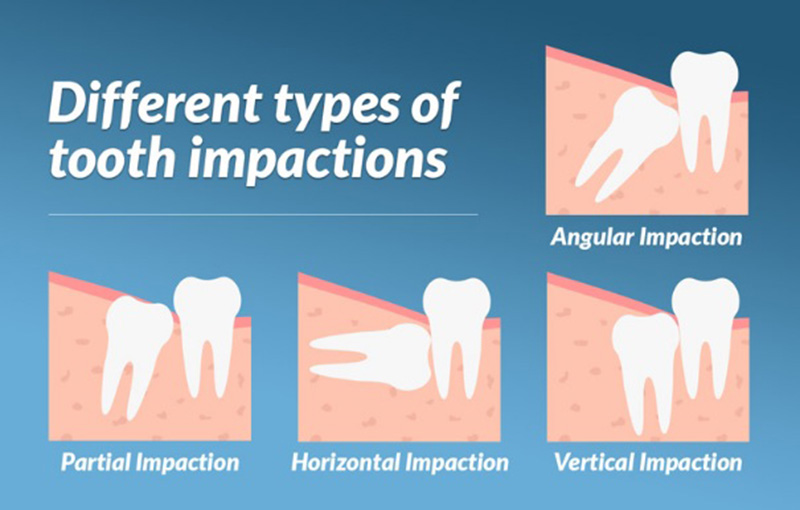
WHAT ARE Wisdom Teeth?
Wisdom teeth, also known as third molars, are the last teeth to erupt. They are usually obtained in your late teens or early twenties. However, even cases of hives in late adulthood are common. If they break out smoothly and without any disruption, then they can prove to be an asset. But the problem with third molars is that in case they don't erupt properly or grow out of place, they should be removed. If they are misaligned, they can damage adjacent teeth.
IS IT NEEDED TO REMOVE Wisdom Teeth?
It is not necessary to remove wisdom teeth as long as they are not a problem. They should be decompressed if they are impacted or cause a blockage. If you do not remove the wisdom tooth will be affected. Your mouth must not leave room for it to expand as it will open at the wrong angle, possibly damaging adjacent teeth. Your dentist may recommend removing your third molar at an early stage, because as you age, the bone in your mouth becomes harder, which makes it difficult to remove. Delays can also lead to serious surgeries and heavy bleeding or can even lead to mild loss of jaw movement.
SYMPTOMS OF A WISDOM TOOTH REMOVAL:
- The discomfort behind the teeth may worsen with time.
- Infection can be caused by redness, swelling, and discomfort.
- Wisdom teeth may also detect foul breath and terrible taste.
- Jaw stiffness and discomfort
Method for removing wisdom teeth:
The wisdom tooth extraction procedure is determined by the stage of the wisdom teeth. Wisdom teeth that have fully erupted can be readily extracted. If the tooth is impacted, an incision in the gum line should be made. Teeth are usually pulled in stages to reduce the quantity of bone necessary for extraction.
After removing wisdom teeth:
- Do not rinse or touch the region vigorously.
- Take the suggested prescription if you're feeling uneasy.
- Some bleeding is to be anticipated, but if it persists, see your dentist right once.
- For many days, swelling around the lips and cheeks is frequent.
- For the first several days, stick to liquid foods.
- Use a straw as little as possible.
- Brush your teeth twice a day, but use caution while rinsing.